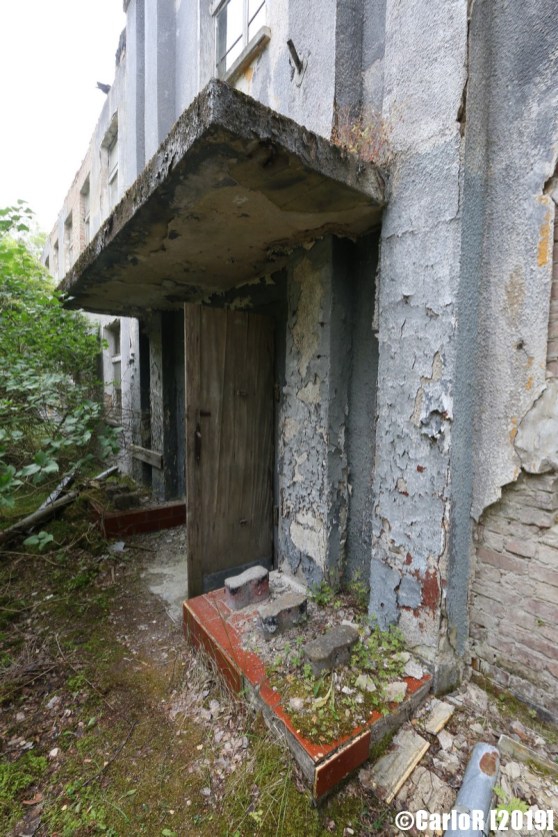
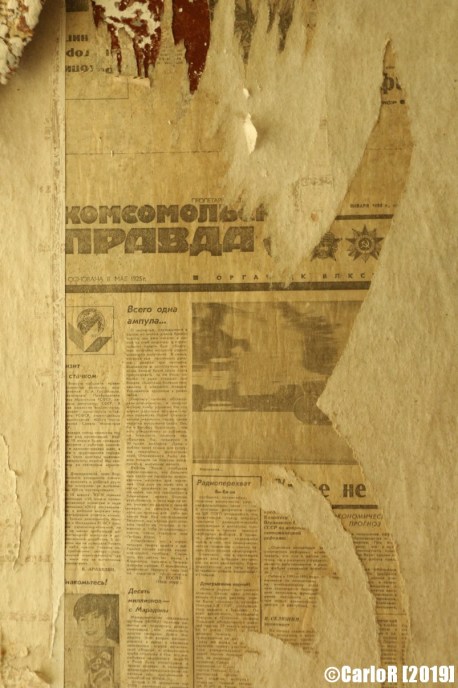
Among all oddities populating the extensive area of the Chernobyl Exclusion Zone – the immense cordoned area surrounding the ill-fated nuclear power-plant – Pripyat does not need any further presentation.
Pripyat was founded anew in 1970, and mainly intended for workers of the immense ‘Lenin’ power-plant, where the nuclear reactors started operations in the mid 1970s, and which went on being continuously expanded over the years. When tragedy struck on April 26th, 1986, four reactors were active, two were under construction – what remains of the ‘ghost construction works’ can still be seen (have a look to this chapter) – but about as many reactor cores were on the drawing board as the number of those already running.
Such a big and relevant industrial asset was managed and operated by a massive workforce of technicians. As a matter of fact, with a population of slightly less than 50’000 at the time of the accident, Pripyat turned out to be the largest village in an extensive and otherwise eminently rural region around the power-plant. An area with an extension comparable to the metro area of Chicago, IL, was cordoned out and totally evacuated in the days following the accident, forming the ‘Chernobyl Exclusion Zone’, which is still today off-limits without a guide, and where people carrying out technical work around the former power-plant, and related labs and businesses, live under a special regulation. Besides Pripyat, this extensive region includes also the nuclear power-plant, the town of Chernobyl, dozens of smaller villages (see Chapter 2), as well as a one-of-a-kind soviet military installation (see Chapter 1).
Being intended mainly for highly-skilled workers – like engineers and physicists in charge of the power-plant processes – Pripyat was built according to relatively high-level soviet standards. The town had five so-called residential ‘microdistricts’, made of high-rise apartment buildings, and each with a school and some other public services, like a small market, a library, sporting facilities, possibly a small theater, etc.
The geographic center of the town was another multi-functional district, with a kind of community center with a community hall for social meetings, a big hotel, a central market, a post office, a travel agency, a sporting center with a stadium, an amusement park – with the now iconic Ferris wheel… – a green urban park, and of course the local presidium of the Communist Party.
The town also featured a large hospital – ‘Medical Center 126’ – covering alone the size of another microdistrict.
All these services, the above-standard quality of the buildings and urban decor, and the setting in the nice countryside of northern Ukraine, in an area rich of rivers and creeks – Pripyat was built close to the right bank of the homonym and nice ‘river Pripyat’ – and not far from Kiev, made Pripyat a nice place to live. Even the workplace of many, the ‘Lenin’ nuclear power-plant, could be conveniently reached less than 3 miles away… The perfect worker’s life in this prototypical socialist village went on for some thousands workers and their families day by day without any major event for about 15 years.
Suddenly, Pripyat was evacuated in a few hours in the early afternoon of April 27th, 1986, about 36 hours after the explosion of reactor N.4, which had taken place in the first hours of April 26th. Notice of the evacuation was given to the citizens about three hours before the operation started. They were told they would have been taken away for precaution for just three days. The combined effect of the hurry and of the presumed short term of the quarantine was that basically everything was left behind by those leaving the town. As an effect of the cordoning-off and the spread of nuclear radiation, contaminating everything in the area, and making any items unattractive except for the most brave metal-looters, the mid-1980s life of Pripyat soviet citizens was crystallized like in a magic life-size 3D picture that you can even walk in! – the incredible ghost town that today everybody knows.
All villages and installations in the Chernobyl Exclusion Zone were evacuated too (more than 100’000 were relocated in total), creating as many incredible time capsules from the Cold War era (see Chapter 1 and Chapter 2). What is unique to Pripyat is the overall size of the town, of the buildings in it, and the ensuing concentration of soviet relics around. Furthermore, being directly struck by radiation, due to the direction of the wind on the night of the explosion, together with the power-plant Pripyat is in the innermost, highly contaminated zone where nobody is allowed to live – unlike Chernobyl town, to the south of the power-plant, where some form of business is still going on this day, and where you are likely to spend the night on a multi-day tour. As a result, it is totally uninhabited – at least at night…
Actually, the successful HBO series of 2019 has increased the interest of the western public for this place even further, making Pripyat a de-facto tourist attraction, with tens of thousands visitors per year. Most of them take the ‘typical’ one-day trip from Kiev, where you spend a few hours in the Exclusion Zone, mostly in Pripyat. The ‘Soviet ghost aura’ around this town is so intense you will surely get impressed even by a visit so short. However, the ‘highlights’ in town may turn crowded to an almost paradoxical extent for a ghost town, so that enjoying the unreal silence and loneliness you would expect in a creepy soviet village contaminated by radiation may turn possible only in less known spots, where you will be taken only by private guides, on tours typically lasting two days or more, and purpose-designed to allow you also to take good pictures.
The latter was my option. You can see in this chapter several unusual photographs of Pripyat, taken during a stay of many hours in this ghost town, during a visit to the Exclusion Zone lasting two (freezing) days in late autumn 2019. Practical info about the visit are provided in a section at the end of another chapter (and links therein).
Sights
Photographs will follow the course of our visit. We started early in the morning from nearby Chernobyl, where we had spent the night. We were in Pripyat before one-day visitors from Kiev came in – possibly the most impressive part of the visit in terms of ‘ghost aura’, thanks to the silence and loneliness of the place at that time.
You may see the light changing over the day, until we finally left in the afternoon for another part of the Zone. You won’t see people in my pics, but this is the result of the ability of our guide, as well as of some effort on my side especially in the central hours of the day and around the central district.
Red Forest, Bridge of Death and Pripyat Access
One of the most severely contaminated areas in the zone, the ‘red forest’ used to cover the area between the power-plant and the town of Pripyat. Exposed to an unprecedented level of radiation, the trees in the forest changed color to an unnatural red soon after the explosion. As a matter of fact, all those trees have been wiped out and buried underground. A completely new blanket of younger trees now covers the area.
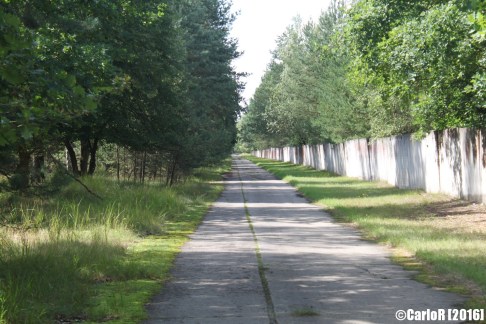
The route coming from the power-plant and going north to Pripyat, only less than 3 miles away, is usually covered by car/bus on visits to this sector – a route likely covered every day by workers living in town and working at the nuclear plant. The road goes through the former area of the red forest, where many radiation danger and warning signals can be seen, and where you are unlikely to stop.

Ghost Town Pripyat Cold War Chernobyl Nuclear Power Plant Exclusion Zone

Ghost Town Pripyat Cold War Chernobyl Nuclear Power Plant Exclusion Zone

Ghost Town Red Forest Pripyat Cold War Chernobyl Nuclear Power Plant Exclusion Zone

Reactor Funnel Contaminated Cold War Chernobyl Nuclear Power Plant Exclusion Zone Pripyat
The same road finally points straight into Pripyat, and goes over a railway track. The bridge is a vantage point from where the power-plant could be observed, especially the ill-fated reactor N.4, which lies next to it. On the day of the accident people from nearby Pripyat came to this bridge out of curiosity, to check out the emergency operations taking place around the reactor. Similar to the red forest just ahead of it, the bridge was invested by a massive flow of invisible radioactive debris, also due to the wind direction on the day of the accident. The name ‘Bridge of Death’ given afterwards to this site suggests the epilogue of the story for the most unlucky among those who ventured on the bridge on that fateful day.

Ghost Town Pripyat Cold War Chernobyl Nuclear Power Plant Exclusion Zone
From the bridge you can spot the tall buildings of Pripyat, and soon reach the entry checkpoint.

Ghost Town Pripyat Cold War Chernobyl Nuclear Power Plant Exclusion Zone
‘Azure’ Swimming Pool and School (Microdistrict 3)
Accessing in the early morning, despite the very cold temperature, we could enjoy a few hours of a really evoking, silent and lonely visit. Venturing in Pripyat, you soon meet an array of many bulky multi-storey apartment buildings close by each other.
Leaving the car close to a major crossing, and walking between microdistrict 3 and 4 to the first highlight on our visit – the sporting center called ‘Lazurnyy’ – or ‘Azure’ in English – we could appreciate the size of some of these builidings. The silence was really striking! Old road signs can be seen along the road.

Ghost Town Pripyat Cold War Chernobyl Nuclear Power Plant Exclusion Zone

Ghost Town Pripyat Cold War Chernobyl Nuclear Power Plant Exclusion Zone

Ghost Town Pripyat Cold War Chernobyl Nuclear Power Plant Exclusion Zone

Ghost Town Pripyat Cold War Chernobyl Nuclear Power Plant Exclusion Zone

Ghost Town Pripyat Cold War Chernobyl Nuclear Power Plant Exclusion Zone
From the outside, the sporting center must have looked really nice in its heyday. A decorated metal fence can be seen around the complex, which lies in front off School N.3. A giant clock hangs on top of the building. Some soviet decoration can be found in the entrance hall of the complex.

Ghost Town Pool Pripyat Cold War Chernobyl Nuclear Power Plant Exclusion Zone

Ghost Town Pripyat Cold War Chernobyl Nuclear Power Plant Exclusion Zone

Ghost Town Pool Pripyat Cold War Chernobyl Nuclear Power Plant Exclusion Zone

Ghost Town Pool Pripyat Cold War Chernobyl Nuclear Power Plant Exclusion Zone

Ghost Town Pool Pripyat Cold War Chernobyl Nuclear Power Plant Exclusion Zone
Upstairs, a first hall hosts a gym, with a basketball court. The pool is in an adjoining hall. It is modernly designed, with a large window looking on to the next buildings, some hundreds feet away. The roof is inclined, making this hall look somewhat roomier than it actually is.

Ghost Town Pool Pripyat Cold War Chernobyl Nuclear Power Plant Exclusion Zone

Ghost Town Pool Pripyat Cold War Chernobyl Nuclear Power Plant Exclusion Zone

Ghost Town Pool Pripyat Cold War Chernobyl Nuclear Power Plant Exclusion Zone

Ghost Town Pool Pripyat Cold War Chernobyl Nuclear Power Plant Exclusion Zone

Ghost Town Pool Pripyat Cold War Chernobyl Nuclear Power Plant Exclusion Zone

Ghost Town Pool Pripyat Cold War Chernobyl Nuclear Power Plant Exclusion Zone
A clock and a ‘coat of arms’ of a swimming team (?) adorn the wall. The springboard is also still in place.

Ghost Town Pool Pripyat Cold War Chernobyl Nuclear Power Plant Exclusion Zone

Ghost Town Pool Pripyat Cold War Chernobyl Nuclear Power Plant Exclusion Zone

Ghost Town Pool Pripyat Cold War Chernobyl Nuclear Power Plant Exclusion Zone

Ghost Town Pool Pripyat Cold War Chernobyl Nuclear Power Plant Exclusion Zone

Ghost Town Pool Pripyat Cold War Chernobyl Nuclear Power Plant Exclusion Zone
Unfortunately, some total idiot writer felt and urge to add his signature on the side of the pool. Luckily, similar accidents are not typical to Pripyat, which is still today heavily guarded.
Next door, you can find School N.3. A rather big building with an inner courtyard, you can find here many interesting sights, including tons of science-themed posters, a full physics lab with experiments – and items looking like models of heat-exchangers of a power-plant… – and more usual classrooms.

Ghost Town School Pripyat Cold War Chernobyl Nuclear Power Plant Exclusion Zone

Ghost Town School Pripyat Cold War Chernobyl Nuclear Power Plant Exclusion Zone

Ghost Town School Pripyat Cold War Chernobyl Nuclear Power Plant Exclusion Zone

Ghost Town School Pripyat Cold War Chernobyl Nuclear Power Plant Exclusion Zone

Ghost Town School Pripyat Cold War Chernobyl Nuclear Power Plant Exclusion Zone

Ghost Town School Pripyat Cold War Chernobyl Nuclear Power Plant Exclusion Zone

Ghost Town School Pripyat Cold War Chernobyl Nuclear Power Plant Exclusion Zone

Ghost Town School Pripyat Cold War Chernobyl Nuclear Power Plant Exclusion Zone

Ghost Town School Pripyat Cold War Chernobyl Nuclear Power Plant Exclusion Zone

Ghost Town School Pripyat Cold War Chernobyl Nuclear Power Plant Exclusion Zone

Ghost Town School Pripyat Cold War Chernobyl Nuclear Power Plant Exclusion Zone

Ghost Town School Pripyat Cold War Chernobyl Nuclear Power Plant Exclusion Zone

Ghost Town School Pripyat Cold War Chernobyl Nuclear Power Plant Exclusion Zone
There is also a room where the floor is covered with gas masks. This is an example of a staged post-apocalyptic scenery, which have been prepared for tourists, and is actually not totally original – sure the masks were already stored there for civil protection, but they have been apocryphally scattered on the ground only for photographers.

Ghost Town School Pripyat Cold War Chernobyl Nuclear Power Plant Exclusion Zone

Ghost Town School Pripyat Cold War Chernobyl Nuclear Power Plant Exclusion Zone

Ghost Town School Pripyat Cold War Chernobyl Nuclear Power Plant Exclusion Zone

Ghost Town School Pripyat Cold War Chernobyl Nuclear Power Plant Exclusion Zone

Ghost Town School Pripyat Cold War Chernobyl Nuclear Power Plant Exclusion Zone

Ghost Town School Pripyat Cold War Chernobyl Nuclear Power Plant Exclusion Zone

Ghost Town School Pripyat Cold War Chernobyl Nuclear Power Plant Exclusion Zone
Panoramic View from Rooftop (Microdistrict 5)
Walking from microdistrict 3 to the northwestern corner of microdistrict 5, you get past entire blocks of multi-storey buildings. The tallest in Pripyat are a couple of 16-storeys ‘twin towers’ on two sides of a street on the northern edge of the town – i.e. the farthest from the power-plant.

Ghost Town Pripyat Cold War Chernobyl Nuclear Power Plant Exclusion Zone

Ghost Town Pripyat Cold War Chernobyl Nuclear Power Plant Exclusion Zone

Ghost Town Pripyat Cold War Chernobyl Nuclear Power Plant Exclusion Zone

Ghost Town Pripyat Cold War Chernobyl Nuclear Power Plant Exclusion Zone

Ghost Town Pripyat Cold War Chernobyl Nuclear Power Plant Exclusion Zone

Ghost Town Pripyat Cold War Chernobyl Nuclear Power Plant Exclusion Zone

Ghost Town Pripyat Cold War Chernobyl Nuclear Power Plant Exclusion Zone

Ghost Town Pripyat Cold War Chernobyl Nuclear Power Plant Exclusion Zone

Ghost Town Pripyat Cold War Chernobyl Nuclear Power Plant Exclusion Zone

Ghost Town Pripyat Cold War Chernobyl Nuclear Power Plant Exclusion Zone

Ghost Town Pripyat Cold War Chernobyl Nuclear Power Plant Exclusion Zone
Climbing to the roof terrace on top of one of the twins – a nice workout with a heavy full complement of photographic gear, especially useful to warm up on a freezing autumn morning! – you get the chance to enjoy a great panorama view over the entire town of Pripyat. From there you may better appreciate the concentration of high-rise buildings in town, as well as the sharp border between the settlement and the wilderness all around – like many industrial towns in the USSR, Pripyat was built basically in the middle of nowhere!

Ghost Town Rooftop Panorama Pripyat Cold War Chernobyl Nuclear Power Plant Exclusion Zone

Ghost Town Rooftop Panorama Pripyat Cold War Chernobyl Nuclear Power Plant Exclusion Zone

Ghost Town Rooftop Panorama Pripyat Cold War Chernobyl Nuclear Power Plant Exclusion Zone

Ghost Town Rooftop Panorama Pripyat Cold War Chernobyl Nuclear Power Plant Exclusion Zone

Ghost Town Rooftop Panorama Pripyat Cold War Chernobyl Nuclear Power Plant Exclusion Zone

Ghost Town Rooftop Panorama Pripyat Cold War Chernobyl Nuclear Power Plant Exclusion Zone

Ghost Town Rooftop Panorama Pripyat Cold War Chernobyl Nuclear Power Plant Exclusion Zone

Ghost Town Rooftop Panorama Pripyat Cold War Chernobyl Nuclear Power Plant Exclusion Zone

Ghost Town Rooftop Panorama Pripyat Cold War Chernobyl Nuclear Power Plant Exclusion Zone

Ghost Town Rooftop Panorama Pripyat Cold War Chernobyl Nuclear Power Plant Exclusion Zone

Ghost Town Rooftop Panorama Pripyat Cold War Chernobyl Nuclear Power Plant Exclusion Zone

Ghost Town Rooftop Panorama Pripyat Cold War Chernobyl Nuclear Power Plant Exclusion Zone
The proximity to the power-plant – with the colossal hangar-like sarcophagus containing what remains of reactor N.4 – is really striking. While convenient for commuting workers, in the event it turned deadly for Pripyat. See Chapter 2 for more on the power-plant.

Ghost Town Rooftop Panorama Pripyat Cold War Chernobyl Nuclear Power Plant Exclusion Zone

Ghost Town Rooftop Panorama Pripyat Cold War Chernobyl Nuclear Power Plant Exclusion Zone

Ghost Town Rooftop Panorama Pripyat Cold War Chernobyl Nuclear Power Plant Exclusion Zone

Ghost Town Rooftop Panorama Pripyat Cold War Chernobyl Nuclear Power Plant Exclusion Zone

Ghost Town Rooftop Panorama Pripyat Cold War Chernobyl Nuclear Power Plant Exclusion Zone

Ghost Town Rooftop Panorama Pripyat Cold War Chernobyl Nuclear Power Plant Exclusion Zone

Ghost Town Rooftop Panorama Pripyat Cold War Chernobyl Nuclear Power Plant Exclusion Zone

Ghost Town Rooftop Panorama Pripyat Cold War Chernobyl Nuclear Power Plant Exclusion Zone

Ghost Town Rooftop Panorama Pripyat Cold War Chernobyl Nuclear Power Plant Exclusion Zone

Ghost Town Rooftop Panorama Pripyat Cold War Chernobyl Nuclear Power Plant Exclusion Zone
The colossal Duga anti-ICBM early-warning over-the-horizon detection antennas can be clearly spotted from here too, despite being some 7 miles away – they are really big! See Chapter 1 for more on this incredible, one-of-a-kind Cold War relic.

Ghost Town Rooftop Panorama Pripyat Cold War Chernobyl Nuclear Power Plant Exclusion Zone
Considering the buildings have been in total disrepair from some decades now, they are pretty well conserved, testifying about the overall not-so-bad quality – better than expected especially for soviet standard. Traces of architectural decorations are also to be found on the balconies, definitely unusual for industrial towns (see for instance the depressing northern suburbs of the large port of Murmansk in this post).

Ghost Town Pripyat Cold War Chernobyl Nuclear Power Plant Exclusion Zone

Ghost Town Pripyat Cold War Chernobyl Nuclear Power Plant Exclusion Zone

Ghost Town Pripyat Cold War Chernobyl Nuclear Power Plant Exclusion Zone

Ghost Town Pripyat Cold War Chernobyl Nuclear Power Plant Exclusion Zone

Ghost Town Pripyat Cold War Chernobyl Nuclear Power Plant Exclusion Zone

Ghost Town Pripyat Cold War Chernobyl Nuclear Power Plant Exclusion Zone
Amusement Park
Likely the most photographed spot in Pripyat, the Ferris wheel is to be found in an amusement park in the central district of the town, close by administrative and service buildings.

Ghost Town Amusement Park Pripyat Cold War Chernobyl Nuclear Power Plant Exclusion Zone

Ghost Town Amusement Park Pripyat Cold War Chernobyl Nuclear Power Plant Exclusion Zone

Ghost Town Amusement Park Pripyat Cold War Chernobyl Nuclear Power Plant Exclusion Zone
Considering its age and disrepair, it is not in so bad a shape. The Ferris wheel is not the only item in this small amusement park. There are a bumper car track, a big swing, what appears to be the skeleton of a chairoplane, and a smaller indoor shooting range.

Ghost Town Amusement Park Pripyat Cold War Chernobyl Nuclear Power Plant Exclusion Zone

Ghost Town Amusement Park Pripyat Cold War Chernobyl Nuclear Power Plant Exclusion Zone

Ghost Town Amusement Park Pripyat Cold War Chernobyl Nuclear Power Plant Exclusion Zone

Ghost Town Amusement Park Pripyat Cold War Chernobyl Nuclear Power Plant Exclusion Zone

Ghost Town Amusement Park Pripyat Cold War Chernobyl Nuclear Power Plant Exclusion Zone

Ghost Town Amusement Park Pripyat Cold War Chernobyl Nuclear Power Plant Exclusion Zone

Ghost Town Amusement Park Pripyat Cold War Chernobyl Nuclear Power Plant Exclusion Zone

Ghost Town Amusement Park Pripyat Cold War Chernobyl Nuclear Power Plant Exclusion Zone

Ghost Town Amusement Park Pripyat Cold War Chernobyl Nuclear Power Plant Exclusion Zone
The deer painted on the wall of the shooting range appear very well preserved, and it is hard to tell whether they are from the time.

Ghost Town Amusement Park Pripyat Cold War Chernobyl Nuclear Power Plant Exclusion Zone

Ghost Town Amusement Park Pripyat Cold War Chernobyl Nuclear Power Plant Exclusion Zone

Ghost Town Amusement Park Pripyat Cold War Chernobyl Nuclear Power Plant Exclusion Zone
Post Office
Again part of the central district, the central post office is home to one of the finest murals in the whole Chernobyl Exclusion Zone. A true protagonist in the iconography of the USSR, a cosmonaut occupies the central scene of the mural, which is centered on the idea of writing, language and communication in history.

Ghost Town Post Office Pripyat Cold War Chernobyl Nuclear Power Plant Exclusion Zone

Ghost Town Post Office Pripyat Cold War Chernobyl Nuclear Power Plant Exclusion Zone

Ghost Town Post Office Pripyat Cold War Chernobyl Nuclear Power Plant Exclusion Zone
While often kitschy and of poor artistic value, in some cases Soviet murals are more interesting, featuring a unique mix of ingenuity, rhetoric and design skill which most suitably adorn public offices, military halls or front facades.

Ghost Town Post Office Pripyat Cold War Chernobyl Nuclear Power Plant Exclusion Zone

Ghost Town Post Office Pripyat Cold War Chernobyl Nuclear Power Plant Exclusion Zone

Ghost Town Post Office Pripyat Cold War Chernobyl Nuclear Power Plant Exclusion Zone

Ghost Town Post Office Pripyat Cold War Chernobyl Nuclear Power Plant Exclusion Zone

Ghost Town Post Office Pripyat Cold War Chernobyl Nuclear Power Plant Exclusion Zone
This is also the case for the external ceramic frieze on the side the southern side of the same post office. Traces of public phone booths, an original mailbox and the opening timetable of the post office are still there to see!
Central Square
The central square of Pripyat is one of the most crowded places in the whole Exclusion Zone. Not only tourists can be found everywhere in the adjoining buildings, but buses of every size are parked ahead of it, making it look possibly more jammed than in the years before 1986.
Despite that, some highlights of Pripyat are to be found around the square, so it is of course worth a stop. To the west of the square you can find a large restaurant, with its big banner still on top of the building. In an adjoining building, the central shopping mall is an impressive sight, with indications like ‘Fruit’, ‘Vegetables’ and so on still there.

Ghost Town Pripyat Cold War Chernobyl Nuclear Power Plant Exclusion Zone

Ghost Town City Center Pripyat Cold War Chernobyl Nuclear Power Plant Exclusion Zone

Ghost Town Pripyat Cold War Chernobyl Nuclear Power Plant Exclusion Zone

Ghost Town Pripyat Cold War Chernobyl Nuclear Power Plant Exclusion Zone

Ghost Town City Center Pripyat Cold War Chernobyl Nuclear Power Plant Exclusion Zone

Ghost Town City Center Pripyat Cold War Chernobyl Nuclear Power Plant Exclusion Zone
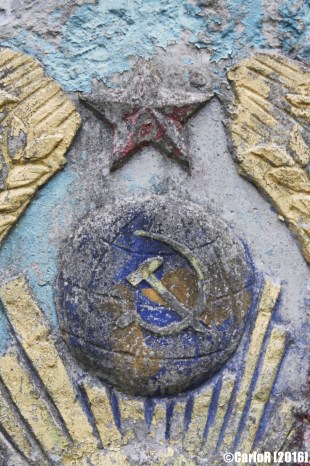
One block away still to the west, a big, tall building has the coat of arms of the USSR on top.
To the north of the square, a massive civic center (‘Palace of Culture’) can be found, once hosting a hall for social events, and an adjoining indoor sporting facility.

Ghost Town Pripyat Cold War Chernobyl Nuclear Power Plant Exclusion Zone

Ghost Town Pripyat Cold War Chernobyl Nuclear Power Plant Exclusion Zone

Ghost Town Pripyat Cold War Chernobyl Nuclear Power Plant Exclusion Zone

Ghost Town Pripyat Cold War Chernobyl Nuclear Power Plant Exclusion Zone

Ghost Town Pripyat Cold War Chernobyl Nuclear Power Plant Exclusion Zone

Ghost Town Pripyat Cold War Chernobyl Nuclear Power Plant Exclusion Zone

Ghost Town Pripyat Cold War Chernobyl Nuclear Power Plant Exclusion Zone

Ghost Town City Center Pripyat Cold War Chernobyl Nuclear Power Plant Exclusion Zone
The hall features another interesting soviet fresco, and what appears to be a large ballroom.
The sporting facility includes a very big basketball/soccer court, a very small pool, and a boxing ring.

Ghost Town Gym Pripyat Cold War Chernobyl Nuclear Power Plant Exclusion Zone

Ghost Town Gym Pripyat Cold War Chernobyl Nuclear Power Plant Exclusion Zone

Ghost Town Gym Pripyat Cold War Chernobyl Nuclear Power Plant Exclusion Zone

Ghost Town Pripyat Cold War Chernobyl Nuclear Power Plant Exclusion Zone

Ghost Town Gym Pripyat Cold War Chernobyl Nuclear Power Plant Exclusion Zone

Ghost Town Gym Pripyat Cold War Chernobyl Nuclear Power Plant Exclusion Zone

Ghost Town Gym Pripyat Cold War Chernobyl Nuclear Power Plant Exclusion Zone

Ghost Town Gym Pripyat Cold War Chernobyl Nuclear Power Plant Exclusion Zone

Ghost Town Gym Pripyat Cold War Chernobyl Nuclear Power Plant Exclusion Zone

Ghost Town Gym Pripyat Cold War Chernobyl Nuclear Power Plant Exclusion Zone

Ghost Town Gym Pripyat Cold War Chernobyl Nuclear Power Plant Exclusion Zone
To the east, the square is completed by the Hotel ‘Polissia’, which is joined to the Palace of Culture via a long curved patio.

Ghost Town Pripyat Cold War Chernobyl Nuclear Power Plant Exclusion Zone

Ghost Town Pripyat Cold War Chernobyl Nuclear Power Plant Exclusion Zone

Ghost Town Pripyat Cold War Chernobyl Nuclear Power Plant Exclusion Zone

Ghost Town Pripyat Cold War Chernobyl Nuclear Power Plant Exclusion Zone
Hospital – Medical Center 126
As said, the hospital occupies a large area, equivalent in size to a microdistrict. This large medical center is composed of many buildings, and on the day of the accident it found itself on the front line, trying to give assistance to the death-bound firefighters, hit by acute radiation syndrome, as well as to many inhabitants of Pripyat, who were exposed to extreme – albeit not immediately lethal – doses of radiation, experiencing physical symptoms in the hours following the accident and preceding evacuation.
For some reason, this area is one of the most contaminated in Pripyat today, and venturing is usually a matter of a few minutes for safety reasons. Adding to the unhealthy aura of this place, rumors support that the uniforms of the firefighters, hastily thrown in the basement when they were given medical assistance, are still there, somewhere beyond a bricked-up door…
We walked inside the largest building in the complex, and kept on the floor of the gynecology and pediatric department. Here you can find baby cots, delivery rooms, medical cabinets and more standard hospital bedrooms as well.

Ghost Town Hospital Gynecology Pripyat Cold War Chernobyl Nuclear Power Plant Exclusion Zone

Ghost Town Hospital Gynecology Pripyat Cold War Chernobyl Nuclear Power Plant Exclusion Zone

Ghost Town Hospital Gynecology Pripyat Cold War Chernobyl Nuclear Power Plant Exclusion Zone

Ghost Town Hospital Gynecology Pripyat Cold War Chernobyl Nuclear Power Plant Exclusion Zone

Ghost Town Hospital Gynecology Pripyat Cold War Chernobyl Nuclear Power Plant Exclusion Zone

Ghost Town Hospital Gynecology Pripyat Cold War Chernobyl Nuclear Power Plant Exclusion Zone

Ghost Town Hospital Gynecology Pripyat Cold War Chernobyl Nuclear Power Plant Exclusion Zone

Ghost Town Hospital Gynecology Pripyat Cold War Chernobyl Nuclear Power Plant Exclusion Zone

Ghost Town Hospital Gynecology Pripyat Cold War Chernobyl Nuclear Power Plant Exclusion Zone
Empty cradles, abandoned registers, medical posters and hardware make for a really spooky sight.

Ghost Town Hospital Gynecology Pripyat Cold War Chernobyl Nuclear Power Plant Exclusion Zone

Ghost Town Hospital Gynecology Pripyat Cold War Chernobyl Nuclear Power Plant Exclusion Zone

Ghost Town Hospital Gynecology Pripyat Cold War Chernobyl Nuclear Power Plant Exclusion Zone

Ghost Town Hospital Gynecology Pripyat Cold War Chernobyl Nuclear Power Plant Exclusion Zone

Ghost Town Hospital Gynecology Pripyat Cold War Chernobyl Nuclear Power Plant Exclusion Zone

Ghost Town Hospital Gynecology Pripyat Cold War Chernobyl Nuclear Power Plant Exclusion Zone

Ghost Town Hospital Gynecology Pripyat Cold War Chernobyl Nuclear Power Plant Exclusion Zone

Ghost Town Hospital Gynecology Pripyat Cold War Chernobyl Nuclear Power Plant Exclusion Zone
To the far end of the building, you can find a kind of conference room, with traces of decoration on the wall.

Ghost Town Hospital Gynecology Pripyat Cold War Chernobyl Nuclear Power Plant Exclusion Zone
Leaving the main building of the hospital, walking past a water reservoir, we reached the morgue and dissection room. Already pretty horrible in normal life, this is one of the spookiest sights in Pripyat’s post-apocalyptic setting!

Ghost Town Hospital Morgue Pripyat Cold War Chernobyl Nuclear Power Plant Exclusion Zone

Ghost Town Hospital Morgue Pripyat Cold War Chernobyl Nuclear Power Plant Exclusion Zone

Ghost Town Hospital Morgue Pripyat Cold War Chernobyl Nuclear Power Plant Exclusion Zone

Ghost Town Hospital Morgue Pripyat Cold War Chernobyl Nuclear Power Plant Exclusion Zone

Ghost Town Hospital Gynecology Pripyat Cold War Chernobyl Nuclear Power Plant Exclusion Zone
Chemical reactants and a smoky incinerator for medical waste complete the picture – who knows whether they incinerated some used clothes and gauze after the accident… better to avoid touching the soot-covered walls here!

Ghost Town Hospital Morgue Pripyat Cold War Chernobyl Nuclear Power Plant Exclusion Zone

Ghost Town Cafe Pripyat Cold War Chernobyl Nuclear Power Plant Exclusion Zone

Ghost Town Cafe Pripyat Cold War Chernobyl Nuclear Power Plant Exclusion Zone
Cafe Pripyat, Passenger Port and Floating Pier
Cross the road on the northwestern corner of the hospital district, you find a very peculiar building, appearing like the set for some James Bond movie scene. The assembly is made of two small buildings with large windows, connected by a covered passage.
The eastern end of the complex is Cafe Pripyat.

Ghost Town Cafe Pripyat Cold War Chernobyl Nuclear Power Plant Exclusion Zone

Ghost Town Cafe Pripyat Cold War Chernobyl Nuclear Power Plant Exclusion Zone

Ghost Town Cafe Pripyat Cold War Chernobyl Nuclear Power Plant Exclusion Zone

Ghost Town Cafe Pripyat Cold War Chernobyl Nuclear Power Plant Exclusion Zone

Ghost Town Cafe Pripyat Cold War Chernobyl Nuclear Power Plant Exclusion Zone
Besides some sculptures on the outside, the main hall of the cafe features a very nice – and well preserved – example of artistic stained glass windows. The incredible light of the day added to the ensemble – making it for sure the most pleasant sight in Pripyat.

Ghost Town Cafe Pripyat Cold War Chernobyl Nuclear Power Plant Exclusion Zone

Ghost Town Cafe Pripyat Cold War Chernobyl Nuclear Power Plant Exclusion Zone

Ghost Town Cafe Pripyat Cold War Chernobyl Nuclear Power Plant Exclusion Zone

Ghost Town Cafe Pripyat Cold War Chernobyl Nuclear Power Plant Exclusion Zone

Ghost Town Cafe Pripyat Cold War Chernobyl Nuclear Power Plant Exclusion Zone

Ghost Town Cafe Pripyat Cold War Chernobyl Nuclear Power Plant Exclusion Zone

Ghost Town Cafe Pripyat Cold War Chernobyl Nuclear Power Plant Exclusion Zone

Ghost Town Cafe Pripyat Cold War Chernobyl Nuclear Power Plant Exclusion Zone

Ghost Town Cafe Pripyat Cold War Chernobyl Nuclear Power Plant Exclusion Zone
The covered passages features triangular concrete posts.

Ghost Town Cafe Pripyat Cold War Chernobyl Nuclear Power Plant Exclusion Zone

Ghost Town Cafe Pripyat Cold War Chernobyl Nuclear Power Plant Exclusion Zone

Ghost Town Cafe Pripyat Cold War Chernobyl Nuclear Power Plant Exclusion Zone

Ghost Town Cafe Pripyat Cold War Chernobyl Nuclear Power Plant Exclusion Zone

Ghost Town Cafe Pripyat Cold War Chernobyl Nuclear Power Plant Exclusion Zone
The complex is on top of a low cliff, on the bank of a backwater of river Pripyat, and a descending stair takes you to a former pier.

Ghost Town Cafe Pripyat Cold War Chernobyl Nuclear Power Plant Exclusion Zone

Ghost Town Cafe Pripyat Cold War Chernobyl Nuclear Power Plant Exclusion Zone

Ghost Town Floating Pier Pripyat Cold War Chernobyl Nuclear Power Plant Exclusion Zone
The geography of waterways here is not very clear. Today, it appears that the water you access from this complex is basically an isolated pond. However, this may be an artificial result. As a matter of fact, the area around the power-plant, and down to Chernobyl some miles away, used to be served by hydrofoils. It appears unlikely that a pier this big was built without this type of service in mind, so maybe what is now a reservoir, used to be a receptacle of river Pripyat, and a stop in the water transport lines.
An interesting element to be sighted somewhat downstream with respect to the pier is a floating part of the pier, which got detached from the fixed part and got stranded after floating abandoned for a while.

Ghost Town Floating Pier Pripyat Cold War Chernobyl Nuclear Power Plant Exclusion Zone

Ghost Town Floating Pier Pripyat Cold War Chernobyl Nuclear Power Plant Exclusion Zone

Ghost Town Floating Pier Pripyat Cold War Chernobyl Nuclear Power Plant Exclusion Zone

Ghost Town Floating Pier Pripyat Cold War Chernobyl Nuclear Power Plant Exclusion Zone

Ghost Town Floating Pier Pripyat Cold War Chernobyl Nuclear Power Plant Exclusion Zone

Ghost Town Floating Pier Pripyat Cold War Chernobyl Nuclear Power Plant Exclusion Zone

Ghost Town Floating Pier Pripyat Cold War Chernobyl Nuclear Power Plant Exclusion Zone

Ghost Town Floating Pier Pripyat Cold War Chernobyl Nuclear Power Plant Exclusion Zone

Ghost Town Floating Pier Pripyat Cold War Chernobyl Nuclear Power Plant Exclusion Zone

Ghost Town Floating Pier Pripyat Cold War Chernobyl Nuclear Power Plant Exclusion Zone

Ghost Town Floating Pier Pripyat Cold War Chernobyl Nuclear Power Plant Exclusion Zone

Ghost Town Floating Pier Pripyat Cold War Chernobyl Nuclear Power Plant Exclusion Zone

Ghost Town Floating Pier Pripyat Cold War Chernobyl Nuclear Power Plant Exclusion Zone

Ghost Town Floating Pier Pripyat Cold War Chernobyl Nuclear Power Plant Exclusion Zone

Ghost Town Floating Pier Pripyat Cold War Chernobyl Nuclear Power Plant Exclusion Zone
This can be boarded today, a rather sad sight – also giving you a sense of nausea, as it is lying in a somewhat banked attitude which makes you loose the sense of the horizon.
KBO Service Center
Not far from Cafe Pripyat you can spot the original fence put in place immediately after evacuating the village. This old fence is today totally rusty, and largely cut through.

Ghost Town Cafe Pripyat Cold War Chernobyl Nuclear Power Plant Exclusion Zone

Ghost Town Cafe Pripyat Cold War Chernobyl Nuclear Power Plant Exclusion Zone
Pointing to the central square, you meet an interesting mall named ‘KBO’, where services offered included a barber shop and other small shops. The barber shop is especially interesting. Despite being in a relatively bad shape, gear including combs, razors, mirrors, soap trays and so on are still there.

Ghost Town Barber Shop Pripyat Cold War Chernobyl Nuclear Power Plant Exclusion Zone

Ghost Town Barber Shop Pripyat Cold War Chernobyl Nuclear Power Plant Exclusion Zone

Ghost Town Barber Shop Pripyat Cold War Chernobyl Nuclear Power Plant Exclusion Zone

Ghost Town Barber Shop Pripyat Cold War Chernobyl Nuclear Power Plant Exclusion Zone

Ghost Town Barber Shop Pripyat Cold War Chernobyl Nuclear Power Plant Exclusion Zone

Ghost Town Barber Shop Pripyat Cold War Chernobyl Nuclear Power Plant Exclusion Zone

Ghost Town Barber Shop Pripyat Cold War Chernobyl Nuclear Power Plant Exclusion Zone

Ghost Town Barber Shop Pripyat Cold War Chernobyl Nuclear Power Plant Exclusion Zone

Ghost Town Barber Shop Pripyat Cold War Chernobyl Nuclear Power Plant Exclusion Zone

Ghost Town Barber Shop Pripyat Cold War Chernobyl Nuclear Power Plant Exclusion Zone

Ghost Town Barber Shop Pripyat Cold War Chernobyl Nuclear Power Plant Exclusion Zone

Ghost Town Barber Shop Pripyat Cold War Chernobyl Nuclear Power Plant Exclusion Zone

Ghost Town Barber Shop Pripyat Cold War Chernobyl Nuclear Power Plant Exclusion Zone

Ghost Town Barber Shop Pripyat Cold War Chernobyl Nuclear Power Plant Exclusion Zone
In its early life, the mirror could never imagine he would reflect the image of so many westerners one day – some would even be excited to take pictures of their reflection!

Ghost Town Barber Shop Pripyat Cold War Chernobyl Nuclear Power Plant Exclusion Zone
The building features some decorated glass windows. Timetables and announcements are still painted ahead of some of the shops.
Prometheus Movie Theater and Music School
What makes these two adjoining buildings unique is the elaborate mosaic decoration on the curved facades. Again, an example of architecture from the Cold War era.

Ghost Town Music Academy Pripyat Cold War Chernobyl Nuclear Power Plant Exclusion Zone

Ghost Town Music Academy Pripyat Cold War Chernobyl Nuclear Power Plant Exclusion Zone

Ghost Town Music Academy Pripyat Cold War Chernobyl Nuclear Power Plant Exclusion Zone

Ghost Town Music Academy Pripyat Cold War Chernobyl Nuclear Power Plant Exclusion Zone

Ghost Town Music Academy Pripyat Cold War Chernobyl Nuclear Power Plant Exclusion Zone
Inside the music school a small theater hall still features a piano on the stage!
Furniture Shop and Home Appliance Shop (AGD)
Not far from the central square in microdistrict 2, you can find a small single-storey building made to host shops. Two shops are particularly interesting.
One is a furniture shop, where you can see several vertical pianos! Most of them bear a ‘Made in the USSR’ sign.

Ghost Town Piano Shop Pripyat Cold War Chernobyl Nuclear Power Plant Exclusion Zone

Ghost Town Piano Shop Pripyat Cold War Chernobyl Nuclear Power Plant Exclusion Zone

Ghost Town Piano Shop Pripyat Cold War Chernobyl Nuclear Power Plant Exclusion Zone

Ghost Town Piano Shop Pripyat Cold War Chernobyl Nuclear Power Plant Exclusion Zone

Ghost Town Piano Shop Pripyat Cold War Chernobyl Nuclear Power Plant Exclusion Zone
There are also some signs, including some ‘dos and don’ts’ for safety.

Ghost Town TV Shop Pripyat Cold War Chernobyl Nuclear Power Plant Exclusion Zone

Ghost Town TV Shop Pripyat Cold War Chernobyl Nuclear Power Plant Exclusion Zone

Ghost Town TV Shop Pripyat Cold War Chernobyl Nuclear Power Plant Exclusion Zone

Ghost Town TV Shop Pripyat Cold War Chernobyl Nuclear Power Plant Exclusion Zone

Ghost Town TV Shop Pripyat Cold War Chernobyl Nuclear Power Plant Exclusion Zone

Ghost Town TV Shop Pripyat Cold War Chernobyl Nuclear Power Plant Exclusion Zone

Ghost Town TV Shop Pripyat Cold War Chernobyl Nuclear Power Plant Exclusion Zone

Ghost Town Piano Shop Pripyat Cold War Chernobyl Nuclear Power Plant Exclusion Zone

Ghost Town Piano Shop Pripyat Cold War Chernobyl Nuclear Power Plant Exclusion Zone

Ghost Town Piano Shop Pripyat Cold War Chernobyl Nuclear Power Plant Exclusion Zone
An adjoining shop used to sell home appliances, and on the scaffolds you can still find a set of cathode ray tube old TV sets!

Ghost Town TV Shop Pripyat Cold War Chernobyl Nuclear Power Plant Exclusion Zone

Ghost Town TV Shop Pripyat Cold War Chernobyl Nuclear Power Plant Exclusion Zone

Ghost Town TV Shop Pripyat Cold War Chernobyl Nuclear Power Plant Exclusion Zone
Ahead of this shops, you can find a disturbing abandoned playground and an outdoor basketball court, possibly once part of the nearby School N.2.

Ghost Town Abandoned School Pripyat Cold War Chernobyl Nuclear Power Plant Exclusion Zone

Ghost Town Abandoned School Pripyat Cold War Chernobyl Nuclear Power Plant Exclusion Zone

Ghost Town Abandoned School Pripyat Cold War Chernobyl Nuclear Power Plant Exclusion Zone
School N.2 (Microdistrict 2)
This big multi-storey school building offers an incredible quantity of memorabilia to be photographed, and even taken alone it would already make for a valid reason to come to Pripyat, for a committed hunter of Soviet relics!
Entering the hall, you soon meet interesting posters, based on standard soviet iconography.

Ghost Town Abandoned School Pripyat Cold War Chernobyl Nuclear Power Plant Exclusion Zone

Ghost Town Abandoned School Pripyat Cold War Chernobyl Nuclear Power Plant Exclusion Zone

Ghost Town Abandoned School Pripyat Cold War Chernobyl Nuclear Power Plant Exclusion Zone

Ghost Town Abandoned School Pripyat Cold War Chernobyl Nuclear Power Plant Exclusion Zone

Ghost Town Abandoned School Pripyat Cold War Chernobyl Nuclear Power Plant Exclusion Zone

Ghost Town Abandoned School Pripyat Cold War Chernobyl Nuclear Power Plant Exclusion Zone

Ghost Town Abandoned School Pripyat Cold War Chernobyl Nuclear Power Plant Exclusion Zone

Ghost Town Abandoned School Pripyat Cold War Chernobyl Nuclear Power Plant Exclusion Zone

Ghost Town Abandoned School Pripyat Cold War Chernobyl Nuclear Power Plant Exclusion Zone

Ghost Town Abandoned School Pripyat Cold War Chernobyl Nuclear Power Plant Exclusion Zone

Ghost Town Abandoned School Pripyat Cold War Chernobyl Nuclear Power Plant Exclusion Zone
Everything is in total disorder, so you literally walk on books sometimes, and you may find notebooks, school reports, diplomas and other handwritten stuff scattered over any flat surface!
The common areas and corridors are decorated with murals, some of them really nice.

Ghost Town Abandoned School Pripyat Cold War Chernobyl Nuclear Power Plant Exclusion Zone

Ghost Town Abandoned School Pripyat Cold War Chernobyl Nuclear Power Plant Exclusion Zone

Ghost Town Abandoned School Pripyat Cold War Chernobyl Nuclear Power Plant Exclusion Zone

Ghost Town Abandoned School Pripyat Cold War Chernobyl Nuclear Power Plant Exclusion Zone

Ghost Town Abandoned School Pripyat Cold War Chernobyl Nuclear Power Plant Exclusion Zone

Ghost Town Abandoned School Pripyat Cold War Chernobyl Nuclear Power Plant Exclusion Zone

Ghost Town Abandoned School Pripyat Cold War Chernobyl Nuclear Power Plant Exclusion Zone

Ghost Town Abandoned School Pripyat Cold War Chernobyl Nuclear Power Plant Exclusion Zone

Ghost Town Abandoned School Pripyat Cold War Chernobyl Nuclear Power Plant Exclusion Zone

Ghost Town Abandoned School Pripyat Cold War Chernobyl Nuclear Power Plant Exclusion Zone

Ghost Town Abandoned School Pripyat Cold War Chernobyl Nuclear Power Plant Exclusion Zone

Ghost Town Abandoned School Pripyat Cold War Chernobyl Nuclear Power Plant Exclusion Zone

Ghost Town Abandoned School Pripyat Cold War Chernobyl Nuclear Power Plant Exclusion Zone

Ghost Town Abandoned School Pripyat Cold War Chernobyl Nuclear Power Plant Exclusion Zone

Ghost Town Abandoned School Pripyat Cold War Chernobyl Nuclear Power Plant Exclusion Zone
A geography classroom features folded maps, textbooks on the geography of the USSR, and even models of some mountains.

Ghost Town Abandoned School Pripyat Cold War Chernobyl Nuclear Power Plant Exclusion Zone

Ghost Town Abandoned School Pripyat Cold War Chernobyl Nuclear Power Plant Exclusion Zone

Ghost Town Abandoned School Pripyat Cold War Chernobyl Nuclear Power Plant Exclusion Zone

Ghost Town Abandoned School Pripyat Cold War Chernobyl Nuclear Power Plant Exclusion Zone

Ghost Town Abandoned School Pripyat Cold War Chernobyl Nuclear Power Plant Exclusion Zone

Ghost Town Abandoned School Pripyat Cold War Chernobyl Nuclear Power Plant Exclusion Zone

Ghost Town Abandoned School Pripyat Cold War Chernobyl Nuclear Power Plant Exclusion Zone

Ghost Town Abandoned School Pripyat Cold War Chernobyl Nuclear Power Plant Exclusion Zone

Ghost Town Abandoned School Pripyat Cold War Chernobyl Nuclear Power Plant Exclusion Zone
An intriguing room is a linguistic lab – where they apparently taught English. As observed (see this chapter), this sounds strange, considering the poor level of English penetration even in today’s former USSR Countries, and the fact that English was the idiom of the ‘western enemy’. Maybe the relatively privileged status of the inhabitants of Pripyat included a special level of education.

Ghost Town Abandoned School Pripyat Cold War Chernobyl Nuclear Power Plant Exclusion Zone

Ghost Town Abandoned School Pripyat Cold War Chernobyl Nuclear Power Plant Exclusion Zone

Ghost Town Abandoned School Pripyat Cold War Chernobyl Nuclear Power Plant Exclusion Zone

Ghost Town Abandoned School Pripyat Cold War Chernobyl Nuclear Power Plant Exclusion Zone

Ghost Town Abandoned School Pripyat Cold War Chernobyl Nuclear Power Plant Exclusion Zone

Ghost Town Abandoned School Pripyat Cold War Chernobyl Nuclear Power Plant Exclusion Zone

Ghost Town Abandoned School Pripyat Cold War Chernobyl Nuclear Power Plant Exclusion Zone

Ghost Town Abandoned School Pripyat Cold War Chernobyl Nuclear Power Plant Exclusion Zone

Ghost Town Abandoned School Pripyat Cold War Chernobyl Nuclear Power Plant Exclusion Zone
The chemistry lab is very ‘lively’, with complicate molecular models and bottles of reactants on the desks.

Ghost Town Abandoned School Pripyat Cold War Chernobyl Nuclear Power Plant Exclusion Zone

Ghost Town Abandoned School Pripyat Cold War Chernobyl Nuclear Power Plant Exclusion Zone

Ghost Town Abandoned School Pripyat Cold War Chernobyl Nuclear Power Plant Exclusion Zone

Ghost Town Abandoned School Pripyat Cold War Chernobyl Nuclear Power Plant Exclusion Zone

Ghost Town Abandoned School Pripyat Cold War Chernobyl Nuclear Power Plant Exclusion Zone

Ghost Town Abandoned School Pripyat Cold War Chernobyl Nuclear Power Plant Exclusion Zone
There are archive rooms packed with diplomas and hand written paperworks.

Ghost Town Abandoned School Pripyat Cold War Chernobyl Nuclear Power Plant Exclusion Zone

Ghost Town Abandoned School Pripyat Cold War Chernobyl Nuclear Power Plant Exclusion Zone

Ghost Town Abandoned School Pripyat Cold War Chernobyl Nuclear Power Plant Exclusion Zone

Ghost Town Abandoned School Pripyat Cold War Chernobyl Nuclear Power Plant Exclusion Zone

Ghost Town Abandoned School Pripyat Cold War Chernobyl Nuclear Power Plant Exclusion Zone

Ghost Town Abandoned School Pripyat Cold War Chernobyl Nuclear Power Plant Exclusion Zone

Ghost Town Abandoned School Pripyat Cold War Chernobyl Nuclear Power Plant Exclusion Zone

Ghost Town Abandoned School Pripyat Cold War Chernobyl Nuclear Power Plant Exclusion Zone

Ghost Town Abandoned School Pripyat Cold War Chernobyl Nuclear Power Plant Exclusion Zone

Ghost Town Abandoned School Pripyat Cold War Chernobyl Nuclear Power Plant Exclusion Zone

Ghost Town Abandoned School Pripyat Cold War Chernobyl Nuclear Power Plant Exclusion Zone

Ghost Town Abandoned School Pripyat Cold War Chernobyl Nuclear Power Plant Exclusion Zone

Ghost Town Abandoned School Pripyat Cold War Chernobyl Nuclear Power Plant Exclusion Zone

Ghost Town Abandoned School Pripyat Cold War Chernobyl Nuclear Power Plant Exclusion Zone
Some posters in the corridors are really funny, including some related to sport, some explaining good practices for preserving your teeth, and others displaying encouraging numbers related to Soviet industrial production – they are updated to 1985, and the trends do not appear to show any indication of what would happen to the USSR and the whole communist bloc in less than 6 years…

Ghost Town Abandoned School Pripyat Cold War Chernobyl Nuclear Power Plant Exclusion Zone

Ghost Town Abandoned School Pripyat Cold War Chernobyl Nuclear Power Plant Exclusion Zone

Ghost Town Abandoned School Pripyat Cold War Chernobyl Nuclear Power Plant Exclusion Zone

Ghost Town Abandoned School Pripyat Cold War Chernobyl Nuclear Power Plant Exclusion Zone

Ghost Town Abandoned School Pripyat Cold War Chernobyl Nuclear Power Plant Exclusion Zone

Ghost Town Abandoned School Pripyat Cold War Chernobyl Nuclear Power Plant Exclusion Zone

Ghost Town Abandoned School Pripyat Cold War Chernobyl Nuclear Power Plant Exclusion Zone

Ghost Town Abandoned School Pripyat Cold War Chernobyl Nuclear Power Plant Exclusion Zone

Ghost Town Abandoned School Pripyat Cold War Chernobyl Nuclear Power Plant Exclusion Zone

Ghost Town Abandoned School Pripyat Cold War Chernobyl Nuclear Power Plant Exclusion Zone

Ghost Town Abandoned School Pripyat Cold War Chernobyl Nuclear Power Plant Exclusion Zone

Ghost Town Abandoned School Pripyat Cold War Chernobyl Nuclear Power Plant Exclusion Zone

Ghost Town Abandoned School Pripyat Cold War Chernobyl Nuclear Power Plant Exclusion Zone

Ghost Town Abandoned School Pripyat Cold War Chernobyl Nuclear Power Plant Exclusion Zone
The biology lab is packed with models describing the anatomy of fishes, birds, and humans as well!

Ghost Town Abandoned School Pripyat Cold War Chernobyl Nuclear Power Plant Exclusion Zone

Ghost Town Abandoned School Pripyat Cold War Chernobyl Nuclear Power Plant Exclusion Zone

Ghost Town Abandoned School Pripyat Cold War Chernobyl Nuclear Power Plant Exclusion Zone

Ghost Town Abandoned School Pripyat Cold War Chernobyl Nuclear Power Plant Exclusion Zone

Ghost Town Abandoned School Pripyat Cold War Chernobyl Nuclear Power Plant Exclusion Zone

Ghost Town Abandoned School Pripyat Cold War Chernobyl Nuclear Power Plant Exclusion Zone

Ghost Town Abandoned School Pripyat Cold War Chernobyl Nuclear Power Plant Exclusion Zone

Ghost Town Abandoned School Pripyat Cold War Chernobyl Nuclear Power Plant Exclusion Zone

Ghost Town Abandoned School Pripyat Cold War Chernobyl Nuclear Power Plant Exclusion Zone

Ghost Town Abandoned School Pripyat Cold War Chernobyl Nuclear Power Plant Exclusion Zone

Ghost Town Abandoned School Pripyat Cold War Chernobyl Nuclear Power Plant Exclusion Zone

Ghost Town Abandoned School Pripyat Cold War Chernobyl Nuclear Power Plant Exclusion Zone

Ghost Town Abandoned School Pripyat Cold War Chernobyl Nuclear Power Plant Exclusion Zone

Ghost Town Abandoned School Pripyat Cold War Chernobyl Nuclear Power Plant Exclusion Zone

Ghost Town Abandoned School Pripyat Cold War Chernobyl Nuclear Power Plant Exclusion Zone

Ghost Town Abandoned School Pripyat Cold War Chernobyl Nuclear Power Plant Exclusion Zone

Ghost Town Abandoned School Pripyat Cold War Chernobyl Nuclear Power Plant Exclusion Zone

Ghost Town Abandoned School Pripyat Cold War Chernobyl Nuclear Power Plant Exclusion Zone

Ghost Town Abandoned School Pripyat Cold War Chernobyl Nuclear Power Plant Exclusion Zone
More and more classrooms are full of interesting items to check out!

Ghost Town Abandoned School Pripyat Cold War Chernobyl Nuclear Power Plant Exclusion Zone

Ghost Town Abandoned School Pripyat Cold War Chernobyl Nuclear Power Plant Exclusion Zone

Ghost Town Abandoned School Pripyat Cold War Chernobyl Nuclear Power Plant Exclusion Zone

Ghost Town Abandoned School Pripyat Cold War Chernobyl Nuclear Power Plant Exclusion Zone

Ghost Town Abandoned School Pripyat Cold War Chernobyl Nuclear Power Plant Exclusion Zone

Ghost Town Abandoned School Pripyat Cold War Chernobyl Nuclear Power Plant Exclusion Zone

Ghost Town Abandoned School Pripyat Cold War Chernobyl Nuclear Power Plant Exclusion Zone

Ghost Town Abandoned School Pripyat Cold War Chernobyl Nuclear Power Plant Exclusion Zone

Ghost Town Abandoned School Pripyat Cold War Chernobyl Nuclear Power Plant Exclusion Zone

Ghost Town Abandoned School Pripyat Cold War Chernobyl Nuclear Power Plant Exclusion Zone

Ghost Town Abandoned School Pripyat Cold War Chernobyl Nuclear Power Plant Exclusion Zone

Ghost Town Abandoned School Pripyat Cold War Chernobyl Nuclear Power Plant Exclusion Zone

Ghost Town Abandoned School Pripyat Cold War Chernobyl Nuclear Power Plant Exclusion Zone

Ghost Town Abandoned School Pripyat Cold War Chernobyl Nuclear Power Plant Exclusion Zone

Ghost Town Abandoned School Pripyat Cold War Chernobyl Nuclear Power Plant Exclusion Zone

Ghost Town Abandoned School Pripyat Cold War Chernobyl Nuclear Power Plant Exclusion Zone

Ghost Town Abandoned School Pripyat Cold War Chernobyl Nuclear Power Plant Exclusion Zone

Ghost Town Abandoned School Pripyat Cold War Chernobyl Nuclear Power Plant Exclusion Zone

Ghost Town Abandoned School Pripyat Cold War Chernobyl Nuclear Power Plant Exclusion Zone

Ghost Town Abandoned School Pripyat Cold War Chernobyl Nuclear Power Plant Exclusion Zone

Ghost Town Abandoned School Pripyat Cold War Chernobyl Nuclear Power Plant Exclusion Zone

Ghost Town Abandoned School Pripyat Cold War Chernobyl Nuclear Power Plant Exclusion Zone

Ghost Town Abandoned School Pripyat Cold War Chernobyl Nuclear Power Plant Exclusion Zone
An example of a rather interesting iconography style, not far from some Japanese manga, can be found on a few posters close to the main entrance, with lyrics including the anthem of the USSR.

Ghost Town Abandoned School Pripyat Cold War Chernobyl Nuclear Power Plant Exclusion Zone

Ghost Town Abandoned School Pripyat Cold War Chernobyl Nuclear Power Plant Exclusion Zone

Ghost Town Abandoned School Pripyat Cold War Chernobyl Nuclear Power Plant Exclusion Zone

Ghost Town Abandoned School Pripyat Cold War Chernobyl Nuclear Power Plant Exclusion Zone

Ghost Town Abandoned School Pripyat Cold War Chernobyl Nuclear Power Plant Exclusion Zone

Ghost Town Abandoned School Pripyat Cold War Chernobyl Nuclear Power Plant Exclusion Zone

Ghost Town Abandoned School Pripyat Cold War Chernobyl Nuclear Power Plant Exclusion Zone

Ghost Town Abandoned School Pripyat Cold War Chernobyl Nuclear Power Plant Exclusion Zone

Ghost Town Abandoned School Pripyat Cold War Chernobyl Nuclear Power Plant Exclusion Zone

Ghost Town Abandoned School Pripyat Cold War Chernobyl Nuclear Power Plant Exclusion Zone

Ghost Town Abandoned School Pripyat Cold War Chernobyl Nuclear Power Plant Exclusion Zone

Ghost Town Abandoned School Pripyat Cold War Chernobyl Nuclear Power Plant Exclusion Zone

Ghost Town Abandoned School Pripyat Cold War Chernobyl Nuclear Power Plant Exclusion Zone

Ghost Town Abandoned School Pripyat Cold War Chernobyl Nuclear Power Plant Exclusion Zone

Ghost Town Abandoned School Pripyat Cold War Chernobyl Nuclear Power Plant Exclusion Zone

Ghost Town Abandoned School Pripyat Cold War Chernobyl Nuclear Power Plant Exclusion Zone

Ghost Town Abandoned School Pripyat Cold War Chernobyl Nuclear Power Plant Exclusion Zone

Ghost Town Abandoned School Pripyat Cold War Chernobyl Nuclear Power Plant Exclusion Zone

Ghost Town Abandoned School Pripyat Cold War Chernobyl Nuclear Power Plant Exclusion Zone

Ghost Town Abandoned School Pripyat Cold War Chernobyl Nuclear Power Plant Exclusion Zone

Ghost Town Abandoned School Pripyat Cold War Chernobyl Nuclear Power Plant Exclusion Zone
In the library on the ground floor you can find interesting textbooks on many subjects. On a particular book left open by chance, we could see a portrait of the massive monument to the Soviet Army in Treptower Park, Berlin (see this post).

Ghost Town Abandoned School Pripyat Cold War Chernobyl Nuclear Power Plant Exclusion Zone

Ghost Town Abandoned School Pripyat Cold War Chernobyl Nuclear Power Plant Exclusion Zone

Ghost Town Abandoned School Pripyat Cold War Chernobyl Nuclear Power Plant Exclusion Zone

Ghost Town Abandoned School Pripyat Cold War Chernobyl Nuclear Power Plant Exclusion Zone

Ghost Town Abandoned School Pripyat Cold War Chernobyl Nuclear Power Plant Exclusion Zone

Ghost Town Abandoned School Pripyat Cold War Chernobyl Nuclear Power Plant Exclusion Zone

Ghost Town Abandoned School Pripyat Cold War Chernobyl Nuclear Power Plant Exclusion Zone

Ghost Town Abandoned School Pripyat Cold War Chernobyl Nuclear Power Plant Exclusion Zone

Ghost Town Abandoned School Pripyat Cold War Chernobyl Nuclear Power Plant Exclusion Zone

Ghost Town Abandoned School Pripyat Cold War Chernobyl Nuclear Power Plant Exclusion Zone

Ghost Town Abandoned School Pripyat Cold War Chernobyl Nuclear Power Plant Exclusion Zone

Ghost Town Abandoned School Pripyat Cold War Chernobyl Nuclear Power Plant Exclusion Zone

Ghost Town Abandoned School Pripyat Cold War Chernobyl Nuclear Power Plant Exclusion Zone

Ghost Town Abandoned School Pripyat Cold War Chernobyl Nuclear Power Plant Exclusion Zone

Ghost Town Abandoned School Pripyat Cold War Chernobyl Nuclear Power Plant Exclusion Zone

Ghost Town Abandoned School Pripyat Cold War Chernobyl Nuclear Power Plant Exclusion Zone

Ghost Town Abandoned School Pripyat Cold War Chernobyl Nuclear Power Plant Exclusion Zone

Ghost Town Abandoned School Pripyat Cold War Chernobyl Nuclear Power Plant Exclusion Zone

Ghost Town Abandoned School Pripyat Cold War Chernobyl Nuclear Power Plant Exclusion Zone

Ghost Town Abandoned School Pripyat Cold War Chernobyl Nuclear Power Plant Exclusion Zone
The school building used to feature a canteen, which can be easily recognized – with a menu board still hanging on a wall!

Ghost Town Abandoned School Pripyat Cold War Chernobyl Nuclear Power Plant Exclusion Zone

Ghost Town Abandoned School Pripyat Cold War Chernobyl Nuclear Power Plant Exclusion Zone

Ghost Town Abandoned School Pripyat Cold War Chernobyl Nuclear Power Plant Exclusion Zone

Ghost Town Abandoned School Pripyat Cold War Chernobyl Nuclear Power Plant Exclusion Zone
In another wing you can find a music room, and the unmissable gym!

Ghost Town Abandoned School Pripyat Cold War Chernobyl Nuclear Power Plant Exclusion Zone

Ghost Town Abandoned School Pripyat Cold War Chernobyl Nuclear Power Plant Exclusion Zone

Ghost Town Abandoned School Pripyat Cold War Chernobyl Nuclear Power Plant Exclusion Zone

Ghost Town Abandoned School Pripyat Cold War Chernobyl Nuclear Power Plant Exclusion Zone

Ghost Town Abandoned School Pripyat Cold War Chernobyl Nuclear Power Plant Exclusion Zone

Ghost Town Abandoned School Pripyat Cold War Chernobyl Nuclear Power Plant Exclusion Zone

Ghost Town Abandoned School Pripyat Cold War Chernobyl Nuclear Power Plant Exclusion Zone

Ghost Town Abandoned School Pripyat Cold War Chernobyl Nuclear Power Plant Exclusion Zone
Visiting
Together with a friend, we arranged a two-days visit to the zone with the very competent guide Mikhailo Teslenko (website here). For a curious visitor, one-day trips are really just a quick starter. I could notice the difference between that options and ours when visiting School N.2. We spent 45 minutes there, and despite collecting hundreds of good pics and exploring all the floors, we left with the sensation of having left behind millions of photo opportunities and unchecked items. A group of around ten people on a day trip spent there – literally – 5 minutes. They could not venture beyond the ground floor.
So, if you need to multiply photo opportunities, you will need to go on a private tour. Furthermore, do not underestimate the problem of crowds, which may obstruct your camera scope and spoil your pics of any mystery aura. A small party and a guide with a knowledge of peak hours and crowded hot-spots may help much in avoiding disappointment.
Choose the season accurately, for in summer it gets very warm and humid, and you are not allowed to wear sleeveless shirts, plus the trees obstruct the view more than in winter. Winter of course can be extremely cold. Despite the freezing temperature, we got two perfect days for pictures in late November.
Pripyat is big, and the Chernobyl Exclusion Zone is immense, so simply forget to see everything even on a multi-day trip. Yet most highlights will be covered decently on a two-days tour – three chapters on this website are from photographic material collected on such a trip!
More suggestions and practical info can be found in this dedicated section.